


All Skin Types
Bifidobacteria lysate, puer tea saponins, papain
Up to 125 uses • Concentrated formula • Does not damage the skin
environmentally-friendly | dry skin-friendly | travel size | SLS SLES-free
On-the-go or at home, this ultra-concentrated enzyme powder provides deep cleansing. Puerh tea saponins and papain exfoliate dead skin cells and dissolve comedones. Amber acid, gluconolactone and chlorophyllin reduce redness and inflammation. Rice Starch makes skin soft and velvety and prebiotics support skin microbiota.
Up to 125 uses.
Fits both carry-on and woman's purse
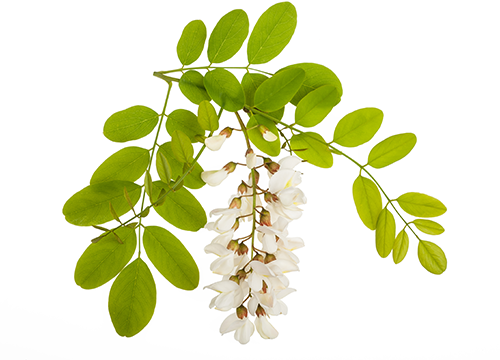

Gluconolactone is white crystalline powder derived from gluconic acid received from vegetable raw materials. Gluconic acid, found abundantly in plant, honey and wine, is a mild organic acid derived from glucose by a simple oxidation reaction. It’s a polyhydroxy acid (PHA), that is often referred to as next generation AHA. It gently lifts off dead skin cells form the skin surface making skin smooth and even. In the long term it provides anti-aging benefits. It has comparable skin benefits to AHAs but without the irritation as a side effect.
A comparative study of gluconolactone versus benzoyl peroxide in the treatment of acne. The results of this study showed that both gluconolactone and benzoyl peroxide had a significant effect in improving patients' acne by reducing the number of lesions (inflamed and non-inflamed). Furthermore, fewer side-effects were experienced by patients treated with gluconolactone when compared with benzoyl peroxide.

Patented active inredient of the Laboratory Givaudan (France). Yogurtene® Balance combines the skin benefits of yogurt with the prebiotic activity of Inulin, a vegetable fructose polysaccharide derived from chicory. Yogurtene® Balance reduces the growth of pathogenic bacteria in favour of friendly microorganisms naturally present on the epidermis. It has no antibacterial properties and remains gentle for the skin, regulates the production of sebum. It also provides the skin with all the benefits of yogurt: non-hydrolysed proteins, lactose, vitamins and minerals.


Rice starch is extracted from rice corns. The spherical shape and solid surface of white microspheres make it one of the most effective cosmetic exfoliating products. The exfoliating beads of rice starch are quite solid to remove the dead skin cells and impurities, but at the same time they are gentle enough for application even to a most sensitive skin.
Rice microspheres effectively remove dead skin cells, minimize pores and open pores for cleaning, without breaking the protective lipid barrier of the skin down and without stimulating fat glands. They produce a glowing skin feeling and healthy look, while leaving it soft and smooth.

Xanthan gum is a polysaccharide with many industrial uses, which is made by mixing fermented sugars. It is used as a stabiliser, emulsifier, thickener, suspending agent and bodying agent. Xanthan gum exhibits high viscosity at low concentrations, little change in viscosity at varying temperatures, and excellent stability over a wide pH range.It improves cream texture und moisturizes the skin.


Натуральный кондиционирующий агент из гуаровых бобов. Антистатик, загуститель, смягчитель. Отлично обволакивает волос без эффекта накопления и утяжеления.
Мягкий анионный ПАВ, получаемый из кокосового масла. Используется как натуральная альтернатива SLS в натуральной косметике.
Обеспечивает густую пену, отлично очищает волосы и кожу, но не пересушивает их благодаря высокому % жирных кислот в своем составе.

Постбиотик для кожи. Представляет собой расщепленные до фракции цитоплазм клеточных стенок фрагменты бифидобактерий. Такие фрагменты становятся регуляторными молекулами, усиливающими иммунную защиту кожи, ее регенерацию и микроциркуляцию в тканях. Т.е. уменьшают воспаление, восстанавливают барьерную функцию кожи, оказывают противоотечное и тонизирующее действие.



Это природная слюда, которая окрашивается при помощи минеральных пигментов в разные оттенки. Варьируется и помол - мелкие частицы придают атласный блеск, а крупные частицы красиво искрятся.
Мика, благодаря форме частиц, дает плотное покрытие и делает макияж очень стойким.

Дает очень мягкую но стабильную пену. Обеспечивает мягкое, но глубокое очищение кожи, не пересушивая и не нарушая ее защитный барьер.
Нормализует работу сальных желез, уменьшает жирность кожи и очищает поры. Оказывает превосходное подавляющее действие на Candida Albicans и Aspergillus Niger. Используется в средствах для жирной и проблемной кожи, средствах для очищения и демакияжа.

- Oryza Sativa Starch
- Inulin
- Yogurt Powder
- Camellia Sinensis Seed Extract
- Papain
- Bifida Ferment Lysate
- Gluconolactone
- Zinc acetate
- CO2 Ananas Mill Extract
- Succinic acid
Mix 1/4 teaspoons of powder with water. Apply the foam to your face. Massage. Rinse off.
In case of eye contact, rinse with water.
Contraindications: Individual intolerance to the components.


